Join specialised guided tours designed for photography and astronomy lovers.
Capture breathtaking star-filled landscapes with creative expertise in vibrant Tenerife
Experience the magic of the night sky on an unforgettable astrophotography holiday in Teide National Park—one of the world’s premier stargazing destinations. Set high above the clouds on the volcanic slopes of Mount Teide, this UNESCO-listed landscape offers exceptionally clear, dark skies ideal for capturing the Milky Way, constellations, and deep-sky wonders.
Teide Astrophotography Holidays
Our Teide astrophotography holidays are designed for both beginners and experienced photographers, combining expert guidance with breathtaking locations. Learn how to master your camera settings, long exposures, and night composition while photographing dramatic lava fields, rugged peaks, and star-filled skies. With minimal light pollution and stable atmospheric conditions, Tenerife—often called one of the best places on Earth for astronomy—provides the perfect natural studio.
Whether you’re chasing your first Milky Way shot or refining advanced techniques, these immersive experiences blend adventure, learning, and awe-inspiring scenery. Join us in Tenerife and discover why Teide is a dream destination for astrophotographers worldwide.

Join us for an unforgettable 7-day premium astrophotography experience in Tenerife . One of the world’s best locations for deep-sky imaging. Designed for enthusiasts and serious imagers alike. This exclusive small-group holiday combines pristine dark skies at 2200m altitude with world-class scenery, cultural exploration, fine dining, wine tasting, and luxury accomodation.
Join us for an unforgettable 7-day premium astrophotography experience in Tenerife . One of the world’s best locations for deep-sky imaging. Designed for enthusiasts and serious imagers alike. This exclusive small-group holiday combines pristine dark skies at 2200m altitude with world-class scenery, cultural exploration, fine dining, wine tasting, and luxury accomodation.
WHAT’S INCLUDED
- 4 Nights High-Altitude Imaging at 2200m Above Sea Level
- Guided Visits to the Teide Observatory
- Remote Telescope Access Sessions
- Hands-On Image Processing Workshops
- Luxury Private hotel apartment
- Breakfast and Evening Meals Included Daily
- Airport Transfers Included
- Wine Tasting Experience in Icod de los Vinos
- Visit to the Wine Museum
- UNESCO World Heritage Excursion to La Laguna
- Visit to Historic Garachico – Tenerife’s Old Capital
- Restaurant Experiences Featuring Authentic Canarian Cuisine
- Small Groups for Maximum Personal Support
7-Day Intinerary
Day 1 - ARRIVAL & WELCOME EVENING
Airport pickup and transfer to your luxury apartment. Welcome drinks, group introductions, equipment setup assistance, and orientation session. Enjoy a relaxed evening meal overlooking the Atlantic.
DAY 2 – TEIDE OBSERVATORY EXPERIENCE
Exclusive guided visit to the Teide Observatory with insight into professional astronomical research. Evening imaging session at our 2200m dark-sky site.
DAY 3 – HIGH ALTITUDE IMAGING & PROCESSING WORKSHOP
Morning rest period followed by a hands-on post-processing workshop covering stacking, calibration, and advanced workflow techniques. Evening return to the mountain imaging location.
DAY 4 – ICOD DE LOS VINOS WINE EXPERIENCE
Visit the famous wine region of Icod de los Vinos. Guided tasting of local volcanic wines followed by a visit to the Wine Museum. Evening restaurant experience featuring traditional Canarian cuisine.
DAY 5 – LA LAGUNA UNESCO WORLD HERITAGE TOUR
Explore the historic colonial streets of La Laguna with guided walking tour, photography opportunities, café stops, and cultural insights. Evening remote telescope imaging session from the villa.
DAY 6 – GARACHICO & FINAL IMAGING SESSION
Discover the charm of Garachico – Tenerife’s original capital – with coastal photography opportunities and volcanic lava pools. Final high altitude imaging session under some of Europe’s darkest skies.
DAY 7 – FINAL PROCESSING SESSION & DEPARTURE
Morning image processing masterclass to complete your final portfolio images. Breakfast and airport transfers provided.
Why Tenerife ?
Tenerife offers some of the clearest skies in the Northern Hemisphere, minimal light pollution, and stable atmospheric conditions ideal for deep-sky imaging. Combined with volcanic landscapes, Atlantic coastlines, and rich cultural heritage, it provides the perfect setting for an unforgettable astrophotography adventure.
Who this trip is for
- DSLR / Mirrorless Astrophotographers
- Dedicated Deep-Sky Imagers
- Landscape Astro Photographers
- Beginners Wanting Structured Guidance
- Experienced Imagers Seeking Premium Skies
LIMITED PLACES AVAILABLE
This is a boutique astrophotography experience with limited group sizes to ensure personalised support.
Reserve your place now and capture the universe from above the clouds.
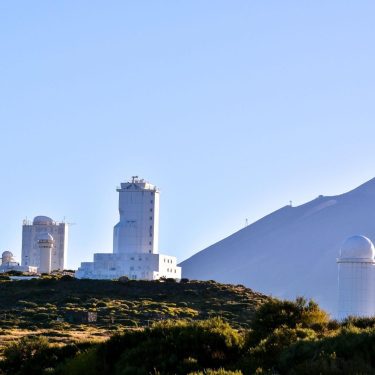
Teide Observatory
Teide Observatory is one of the world’s most important astronomical research sites, perched high on the slopes of Mount Teide at about 2,400 meters above sea level. It sits above the cloud layer in a dry, stable atmosphere conditions that make it ideal for observing the Sun and the wider universe. Unlike many famous observatories that focus on nighttime astronomy, Teide Observatory is especially known for solar observation. Scientists there study the Sun’s surface, solar flares, and magnetic activity using specialized telescopes. This work helps improve understanding of space weather, which can affect, satellites, communications, and even power grids on Earth. The observatory was established in the 1960s and is operated by the Instituto de Astrofísica de Canarias. It forms part of a larger network with the Roque de los Muchachos Observatory on the island of La Palma. Together, these sites make the Canary Islands one of the leading hubs for astronomy in the Northern Hemisphere. The site itself looks almost otherworldly: a landscape of volcanic rock and sparse vegetation, dotted with white domes housing telescopes. Because of the altitude and isolation, the air is exceptionally clear, with very little light pollution. Visitors can tour the observatory through guided visits, where they learn about solar research, see telescopes up close, and understand how astronomers work in such an extreme environment. Nearby, the Teide National Park adds to the experience, offering dramatic volcanic scenery and some of the best stargazing conditions in Europe. In short, Teide Observatory is both a cutting-edge scientific facility and a striking place where geology, climate, and space research come together.
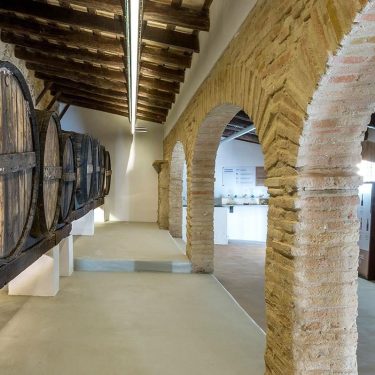
Icod de los vinos wine museum
Malvasía Museum often called the wine museum of Icod de los Vinos—is a small but atmospheric place dedicated to the island’s long winemaking tradition, especially the famous Malvasía wines that once made Tenerife known across Europe. Housed in a traditional Canarian building, the museum combines history, culture, and tasting. Inside, you’ll find exhibits explaining how vines were cultivated on volcanic soil, how wine was produced in earlier centuries, and how Tenerife’s wines became prized exports in the 16th and 17th centuries famously even mentioned in literature like Shakespeare’s works. The displays are fairly intimate rather than high-tech: old tools, presses, barrels, and written panels tell the story of local viticulture. What makes the visit memorable, though, is the connection to the region itself, you’re learning about wine in a town surrounded by vineyards and fertile volcanic land. A key part of the experience is the tasting. Visitors can sample different local wines, including sweet Malvasía and drier varieties, often paired with small bites. It’s less like a large museum and more like stepping into a living tradition. The museum is also just a short walk from one of the town’s most famous landmarks, the ancient Drago Milenario, so many visitors combine both stops. Overall, the Malvasía Museum offers a relaxed, sensory introduction to Tenerife’s wine heritage, more personal and experiential than grand, but very rooted in local identity.
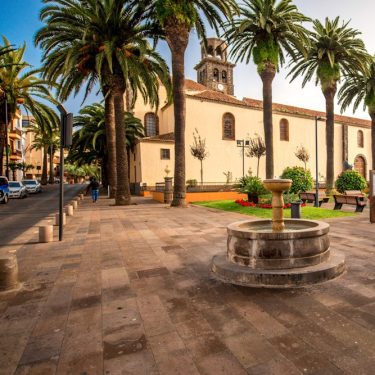
La Laguna
San Cristóbal de La Laguna—usually just called La Laguna—is a historic city recognized as a UNESCO World Heritage Site for its unique urban layout and well-preserved colonial architecture. It was inscribed in 1999 and is considered one of the best examples of a non-fortified colonial town in the world. What makes La Laguna special is its urban design. Founded in the late 15th century, it was one of the first cities built according to a grid plan without defensive walls. This rational layout of straight streets arranged in a neat pattern influenced the design of many later colonial cities in the Americas. In that sense, La Laguna served as a kind of prototype for urban planning across the Spanish Empire. Walking through the city, you’ll find colorful mansions, wooden balconies, and inner courtyards that reflect traditional Canarian architecture with Andalusian and colonial influences. Streets like Calle Obispo Rey Redondo are lined with historic buildings, many of which now house shops, cafés, and institutions. Key landmarks include the Cathedral of La Laguna, a neoclassical cathedral rebuilt in the early 20th century, and the Iglesia de la Concepción, one of the oldest churches on the island, with a distinctive tower that’s a symbol of the city. La Laguna is also a lively university town, home to the University of La Laguna, which adds a youthful and cultural energy to its historic setting. Despite its age, it doesn’t feel like a museum people live, study, and socialize in these centuries-old streets. Overall, La Laguna stands out not just for its architecture, but for its historical importance as a model of colonial urban planning and its ability to remain a vibrant, lived-in city today.
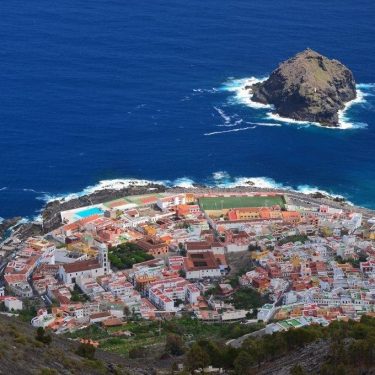
Garachico
Garachico is a small coastal town on the northwest coast of Tenerife, known for its dramatic history, volcanic landscapes, and well preserved colonial charm. Originally founded in the late 15th century, Garachico quickly became one of the most important ports in the Canary Islands, exporting wine and other goods to Europe and the Americas. That prosperity came to a sudden end in 1706, when the 1706 eruption of Trevejo volcano sent lava flows through much of the town, destroying the port and reshaping the coastline. Instead of disappearing, Garachico rebuilt itself—today, that resilience is a big part of its identity. Walking through the town, you’ll notice cobbled streets, traditional Canarian houses with wooden balconies, and historic buildings like the Castillo de San Miguel, a small 16th-century fortress that once defended the harbor. Another highlight is the Iglesia de Santa Ana, which blends different architectural styles due to reconstruction after the eruption. One of Garachico’s most distinctive features is its natural lava-formed swimming pools, especially El Caletón. These pools were created by the solidified lava flows and are now a popular place to swim when the ocean is calm. The town feels quieter and more authentic than the resort-heavy southern parts of Tenerife. It’s surrounded by lush hills and banana plantations, with views of the Atlantic and often the distant silhouette of Mount Teide inland. Overall, Garachico is valued for its blend of history, natural beauty, and a slower, traditional pace of life making it a favorite stop for travelers looking to experience a more historic side of Tenerife
Creative Workshops
Hands-on instruction covering camera settings, composition, and post-processing techniques to enhance your skills.

Creative Adventures in Astrophotography
Our expert guides combine deep knowledge of astrophotography techniques with stunning natural backdrops around Mount Teide. Experience inspirational hands-on learning and unforgettable night sky images on dynamic, creative holidays.